Presentation Template - Retention: A Practical Asset for Modern Storytelling
When you are staring at a blank slide deck with a critical meeting looming, the Presentation Template - Retention serves as more than just a pre-formatted file; it acts as a strategic framework for organizing complex information. While the name suggests a focus on customer or employee retention strategies, the actual utility of this template extends far beyond HR departments or subscription business models. It is designed as a comprehensive visual system that bridges the gap between raw data and persuasive narrative. For professionals aged 20 to 50 who need to communicate value quickly, understanding how to leverage this specific asset can transform a tedious design task into a streamlined communication process.
Beyond the Name: Versatility in Professional Contexts
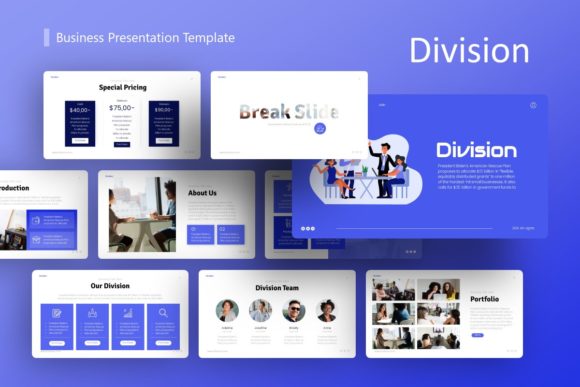
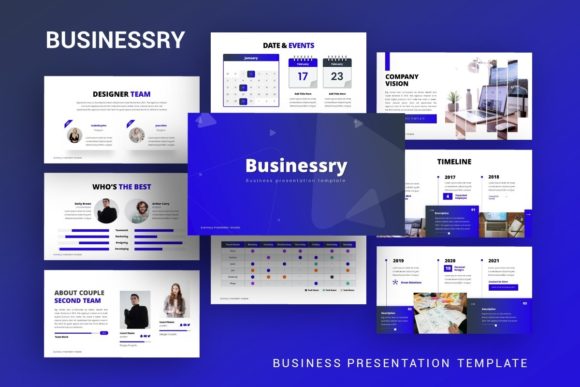
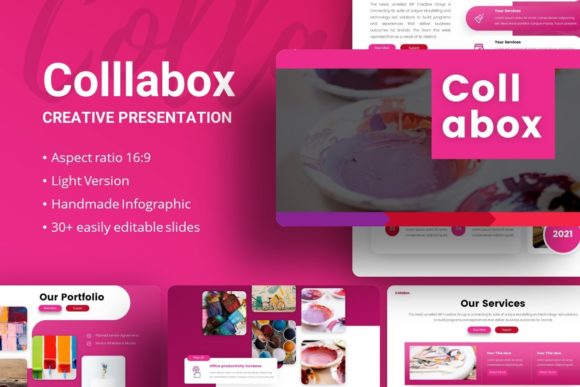
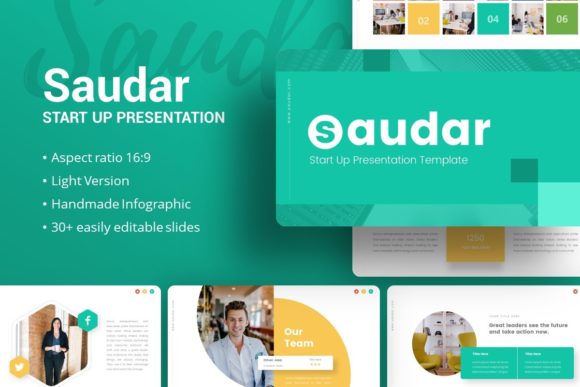
The most immediate observation when working with the Presentation Template - Retention is its adaptability. Although "retention" implies keeping something—be it clients, staff, or attention—the structure supports a wide array of business functions. This versatility stems from its foundation in master slides rather than rigid, isolated layouts. When a creative agency uses this template, they aren't necessarily talking about churn rates; they are often utilizing the clean, grid-based layouts to showcase portfolio work or campaign results. The pixel-perfect illustrations and handcrafted infographics provide a level of polish that usually requires hiring a dedicated designer, making it an accessible resource for freelancers and small teams operating with limited budgets.
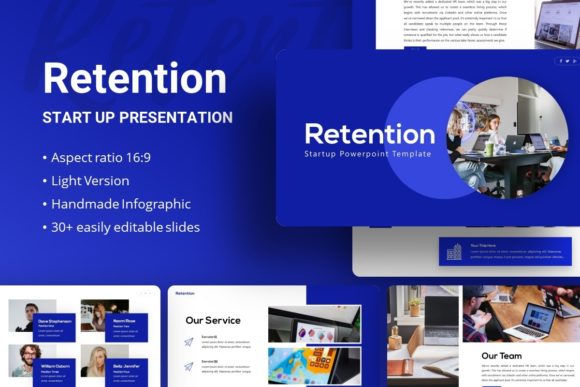
For corporate environments, the template solves a specific pain point: consistency. Large organizations often struggle with brand fragmentation where different departments create decks that look entirely unrelated. Because this template includes 35 distinct slides based on a unified master system, a marketing team can build a pitch deck while the HR team builds an internal training module, and both will maintain visual coherence. This is particularly valuable for startups preparing for funding rounds. Investors review hundreds of decks, and the cognitive load of deciphering messy formatting can negatively impact their perception of the business. Using a structured template like Retention signals professionalism and allows the founder to focus entirely on refining their value proposition rather than aligning text boxes.
Real-World Scenarios and User Benefits
Different professionals extract unique value from this resource depending on their immediate goals. Consider a photographer building a personal portfolio. They might bypass the data-heavy infographic slides entirely, focusing instead on the picture placeholders and typography hierarchy. The drag-and-drop functionality allows them to swap in high-resolution imagery without breaking the layout’s aspect ratio, ensuring their work looks intentional rather than cropped awkwardly. For them, the template is a gallery curation tool.
Conversely, a SaaS product manager presenting quarterly metrics relies heavily on the handcrafted infographics included in the PowerPoint .PPTX file. Instead of spending hours trying to make Excel charts look presentable, they can utilize the pre-built vector graphics to visualize user growth or feature adoption. These graphics are fully resizable and editable, meaning the visual metaphor remains intact even as the underlying data changes. This saves significant time during crunch periods when accuracy and speed are equally important.
In the context of a pitch deck, the template provides a narrative arc that many first-time founders lack. The sequence of slides often mirrors successful storytelling structures, guiding the user from problem identification to solution and market validation. Even if the user rearranges the order, having these building blocks available reduces the anxiety of structuring a persuasive argument. For consultants, the template serves as a reusable intellectual property asset. Once customized with a firm’s branding, it becomes a proprietary delivery mechanism that can be updated for each new client engagement without starting from scratch.
Navigating Customization and Technical Considerations
While the Presentation Template - Retention is designed for ease of use, getting the most out of it requires a practical approach to customization. The documentation file included with the download is not merely a technical manual; it is a guide to maintaining design integrity. Users should review this before making drastic changes to ensure they understand how the master slides control global elements. Modifying a master slide affects every instance of that layout, which is powerful for bulk updates but risky if misunderstood. Taking ten minutes to understand this hierarchy prevents hours of frustration later.
It is also crucial to manage expectations regarding imagery. As noted in the product details, all images in the demo are for preview purposes only and are not included in the files. This is standard industry practice, but it means users must have their own visual assets ready. Before opening the template, gather your photography, screenshots, or licensed stock images. Having these assets organized in a folder streamlines the drag-and-drop process. Trying to source images while simultaneously designing often leads to disjointed visuals and wasted time. The template provides the frame, but the user must supply the art.
Another consideration is the balance between template adherence and brand identity. The pixel-perfect illustrations and vector icons are excellent starting points, but they should be treated as a foundation rather than a final destination. If your company uses a specific color palette or font family, apply these changes via the master slide view immediately upon opening the file. This ensures that every new slide added automatically inherits your branding. Relying solely on the default aesthetic can make a presentation feel generic. The goal is to use the template’s structural advantages while overlaying your unique organizational voice.
Evaluating Strengths and Limitations
The primary strength of the Presentation Template - Retention lies in its depth. With 35 slides per template, it offers enough variety to handle almost any standard business presentation without feeling repetitive. The inclusion of vector icons and editable infographics adds tangible value, reducing the need for external subscriptions to icon libraries or charting tools. For users who are not professional designers, the guardrails provided by the master slides prevent common formatting errors, such as inconsistent margins or clashing fonts.
However, users should be aware of potential limitations. The sheer volume of options can sometimes lead to decision paralysis. It is easy to browse through all 35 slides and feel compelled to use them all, resulting in a bloated presentation. Best practice involves selecting only the slides that directly support your narrative and deleting the rest. A tighter, more focused deck is always superior to a comprehensive but meandering one. Additionally, while the template is highly customizable, it is still bound by the conventions of PowerPoint. Users looking for complex animations or interactive web-based elements may find the static nature of .PPTX files limiting. It is a tool for clear, static communication, not necessarily for multimedia entertainment.
Ultimately, the Presentation Template - Retention is a productivity multiplier. It removes the friction of design so that professionals can focus on strategy, storytelling, and connection. Whether you are a startup founder seeking investment, a creative showcasing a portfolio, or a corporate leader driving internal alignment, this template provides the structural scaffolding necessary to present ideas with clarity and confidence. By approaching it as a flexible system rather than a rigid form, users can create presentations that are not only visually appealing but also strategically effective.