Future Office Conditions Vector Template Guide
Visualizing the evolution of workplace environments requires more than just stock photography; it demands structured, scalable graphics that communicate complex ideas instantly. The Future Office Conditions Vector Template serves as a comprehensive design asset for professionals tasked with illustrating modern workspace trends, hybrid work models, and organizational change. Rather than starting from a blank canvas, this template provides a pre-architected visual framework that bridges the gap between raw data and compelling storytelling. For marketers, HR leaders, and consultants, it transforms abstract concepts about office culture into tangible, professional-grade infographics that resonate with stakeholders and employees alike.
Core Design Elements and Technical Versatility
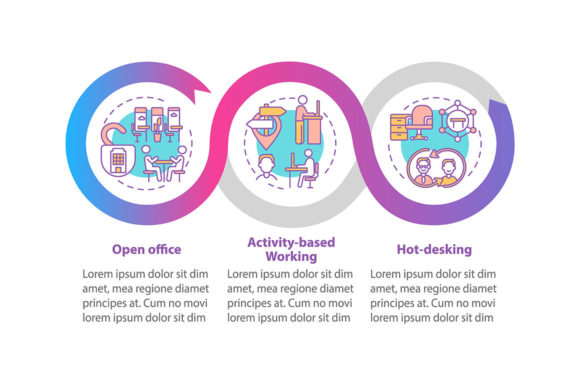
The strength of this resource lies in its specific focus on open-plan workspace presentation design elements. Modern offices are no longer static rows of cubicles; they are dynamic ecosystems involving hot-desking, collaboration zones, and quiet pods. This template captures that fluidity through clean lines and contemporary aesthetics. It avoids dated corporate clip-art styles in favor of a minimalist, tech-forward look that aligns with current branding standards for innovative companies.
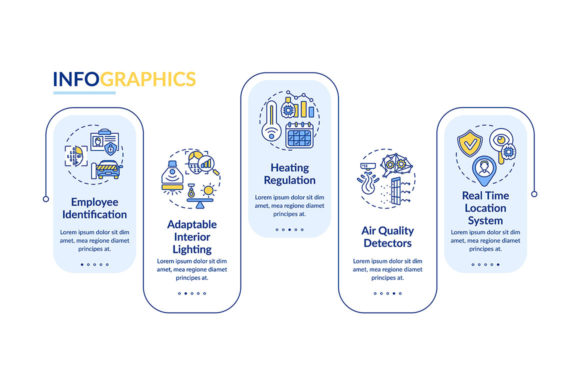
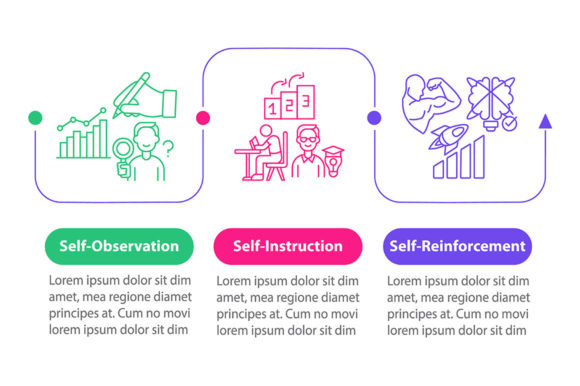
A standout feature is the integrated data visualization with 3 steps. Complex transitions, such as moving from traditional to hybrid work, often get lost in dense text. This three-step module forces clarity, allowing you to break down a transformation strategy into digestible phases: assessment, implementation, and optimization. Similarly, the process timeline chart offers a horizontal or vertical flow that maps out milestones without clutter. When paired with the workflow layout featuring linear icons, the result is a cohesive narrative that guides the viewer’s eye logically from problem to solution.
Technical flexibility is non-negotiable for professional designers. The included ZIP file contains EPS, JPG, PNG, SVG, and AI formats, ensuring compatibility across virtually every platform. The AI and EPS files allow for infinite scaling and deep customization in Adobe Illustrator, letting you adjust colors, line weights, and typography to match strict brand guidelines. Meanwhile, the SVG format is optimized for web use, retaining crispness on high-DPI displays while keeping file sizes low for faster page loads. The JPG and PNG exports provide immediate utility for quick email updates or social media posts where editing isn't required.
Strategic Applications Across Industries
The utility of the Future Office Conditions Vector Template extends far beyond interior design firms. Its modular nature makes it a staple for diverse professional scenarios where visual communication drives decision-making.
Corporate Change Management and HR
When organizations restructure their physical or cultural environments, anxiety often spikes among staff. Clear communication mitigates this friction. HR teams can utilize the workflow layout to visualize new desk-booking procedures or safety protocols. Instead of sending a ten-page PDF policy document, a well-designed infographic using these vector assets can explain new norms in seconds. The 3-step data visualization is particularly effective for outlining return-to-office roadmaps, helping employees understand exactly where the company stands and what comes next.
Consulting and Business Proposals
For consultants pitching workplace strategy or facility management services, perceived value is tied directly to presentation quality. Using generic templates suggests a generic approach. Leveraging specialized assets like this future office conditions vector infographic template signals industry expertise. You can customize the process timeline chart to reflect your specific methodology, making your proposal look bespoke rather than boilerplate. This visual professionalism helps justify premium pricing and builds trust with C-suite executives who prioritize strategic clarity.
Education and Thought Leadership
Educators teaching organizational psychology, architecture, or business administration need current visuals to engage students. Textbooks often lag behind real-world trends by years. This template allows instructors to create up-to-date lecture materials that reflect the actual state of post-pandemic workspaces. Similarly, bloggers and publishers covering workplace trends can use these vectors to create original featured images and inline graphics. Original visuals significantly improve dwell time and shareability compared to recycled stock photos, boosting SEO performance and audience engagement.
Enhancing Communication Efficiency and Brand Consistency
Time is the most valuable resource for any creator or business owner. Building a custom infographic from scratch can take dozens of hours, involving sketching, digitizing, and refining. This template compresses that timeline into minutes. By providing pre-drawn linear icons and balanced compositions, it removes the cognitive load associated with layout design. You can focus entirely on the message rather than the mechanics of alignment and spacing. This efficiency is crucial for agile teams that need to produce internal communications or client deliverables on tight deadlines.
Consistency builds brand equity. When different departments create their own slides using mismatched fonts and icon styles, the organization looks disjointed. Adopting a unified vector template system ensures that whether the facilities team is presenting budget forecasts or marketing is launching an employer branding campaign, the visual language remains coherent. The linear icons included in the set are designed to work harmoniously, preventing the visual dissonance that occurs when mixing icon packs from different sources.
Practical Considerations for Implementation
While the Future Office Conditions Vector Template is a powerful tool, maximizing its value requires thoughtful application. Selecting the right format for the medium is the first step. Always use SVG for responsive websites and interactive digital reports. Reserve high-resolution PNGs for print materials or presentations where transparency is needed against colored backgrounds. Use the AI source files only when significant modification is necessary, as they require specialized software and skills.
Customization should serve clarity, not decoration. It is tempting to add excessive gradients, shadows, or textures to make the design "pop," but this often undermines the clean, futuristic aesthetic the template is built upon. Stick to flat colors and consistent stroke widths to maintain readability at smaller sizes. Ensure that any text added to the open-plan workspace elements has sufficient contrast and breathing room. Overcrowding the negative space defeats the purpose of using a structured template.
Consider accessibility when deploying these visuals. Vectors themselves are not readable by screen readers. Always include descriptive alt text that conveys the information presented in the graphic. If the 3-step data visualization contains critical data points, ensure those numbers are also available in the surrounding body text or a caption. Visuals should enhance understanding, not act as the sole repository of essential information.
Finally, evaluate the template’s relevance to your specific narrative. While it covers general future office conditions, your specific context might require unique additions. Use the provided elements as a foundation, but do not hesitate to draw additional custom icons that match the existing linear style if your workflow has a unique step. The goal is to adapt the asset to your reality, not force your reality into the asset. When used with this level of intentionality, the template becomes more than just a download; it becomes a strategic communication accelerator that elevates how you discuss the future of work.